Small-Batch Wrapping: Getting More Boxes Done with an Individual Cellophane Overwrapping Machine

For a small producer, the working day is a balance: orders to fill, ingredients to prepare, labels to print and boxes to pack, and every job competes for the same hours. Wrapping is often the job that gets squeezed, because it comes last and looks simple. Yet it is also the job that decides how the product reaches the customer. An individual cellophane overwrapping machine helps a small workshop get through the wrapping pile faster, without hiring extra hands.
Where the Hours Go in Small-Batch Packing
Hand wrapping looks quick when you watch one box: fold the film, tuck the ends, press the seal, and the pack is done in less than a minute. The problem is the second hundred boxes. Hands tire, folds get sloppy, and the pace drops, so the last boxes of the day rarely look as good as the first.
There are hidden costs as well. Hand wrapping uses more film, because it is hard to cut each sheet to the same size by eye. It also produces more rejects: boxes with torn film, crooked folds or seals that come apart. Each reject costs a sheet of film and the time it took to wrap, and over a week those small losses add up to hours and wasted material.
How a Machine Changes the Pace
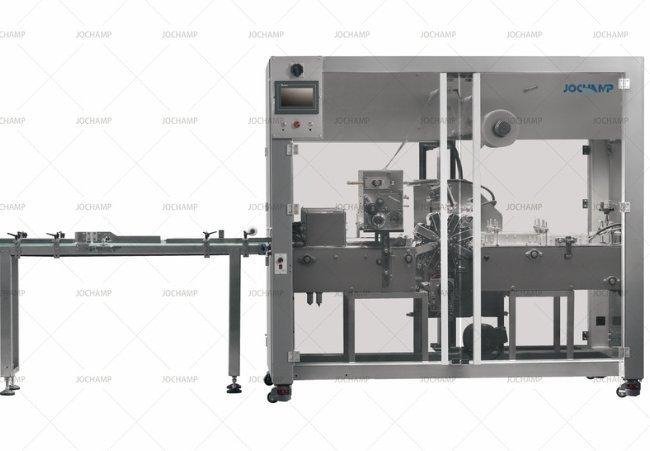
An individual cellophane overwrapping machine removes the slow parts of the job. The operator places a box on the infeed, the machine draws and cuts the film, folds it around the box, seals the ends and smooths the wrap, all in one steady cycle. The operator’s job becomes feeding boxes and stacking finished packs, far less tiring than folding by hand.
The pace is steady rather than spectacular. A compact individual cellophane overwrapping machine wraps a modest number of boxes per minute, but it keeps that pace all day, which is what matters for a small batch. Fifty boxes an hour by hand can fall to thirty as the afternoon goes on, while a machine wrapping at the same rate finishes a run of several hundred boxes in a predictable time.
Planning a Small-Batch Wrapping Day
A little planning makes a wrapping day run smoothly. Start by grouping products by box size, so the individual cellophane overwrapping machine only needs one setup for each run. Changing size mid-batch wastes time, so wrap all of one size, adjust the machine once, and then wrap the next.
Prepare the workspace before you start: film rolls close by, a clear space for finished packs, and boxes stacked in order. Check the first few packs carefully, and once the wrap looks right, keep going without stopping. Stopping and starting breaks the rhythm and makes the job feel longer than it is.
It also helps to wrap in the morning, when the operator is fresh and the workshop is cool. Film behaves better at a steady temperature, and the sealing jaws reach working heat more quickly. A morning session often finishes faster than the same job squeezed into the end of the day.
When Speed Matters Most
Speed matters most when orders pile up. A market stall on Saturday, a wholesale order due on Monday, or a seasonal gift set that suddenly sells well can turn a quiet week into a rush. In those moments, an individual cellophane overwrapping machine that wraps steadily is worth far more than extra hands, because new hands need training.
It also matters when a product is time sensitive. Tea, sweets and other fresh products should be wrapped soon after packing, while they are at their best. An individual cellophane overwrapping machine lets a small producer wrap a whole batch in one session instead of spreading the job across several days, which keeps the product fresher and dispatch reliable.
5 Ways to Keep Output Steady
- Group by size: wrap all boxes of one size before changing the settings.
- Prepare the space: film, boxes and stacking room ready before you start.
- Check early: inspect the first packs and adjust before the run is far along.
- Keep it clean: wipe the folding plates between runs to prevent jams.
- Rest the operator: short breaks keep feeding speed steady all day.
Speed Without Losing Quality
Faster wrapping is only useful if the packs still look good. The temptation, when a deadline looms, is to push the individual cellophane overwrapping machine harder or skip the checks at the start of a run. That usually backfires: a mis-set machine produces a batch of loose wraps or weak seals, and fixing them takes longer than the time saved.
The better approach is to keep the checks and let the machine set the pace. A steady rate with a quick check every so often will finish the batch on time with a consistent finish. If the volume grows beyond what one machine can handle, that is a good problem to have, and the point at which a producer starts thinking about a faster model.
Frequently Asked Questions
How many boxes can a small overwrapping machine wrap in a day?
It depends on the model, the box size and the operator, but a compact individual cellophane overwrapping machine running steadily will wrap several hundred boxes in a working day, far more than hand wrapping over the same hours.
Is a machine worth it for short runs of a few dozen boxes?
For very short runs, hand wrapping may still be quicker, because setting up the machine takes a few minutes. The machine earns its keep once runs reach a hundred boxes or more, or when several short runs share a box size.
Can one person run the machine and pack the finished boxes?
Yes. Feeding the machine and stacking the outfeed is a one-person job on a compact model.
See also: How Technology Is Redefining the Customer Experience
Final Thoughts
An individual cellophane overwrapping machine does not turn a small workshop into a factory. It does something more useful: it takes the slowest, most tiring part of packing and makes it steady and neat. Plan the run, set the machine up properly, and the wrapping pile that used to eat an afternoon will be done by lunch, with every box looking as good as the first.