Found Termites Near Your Hot Water System? Here’s What’s Happening

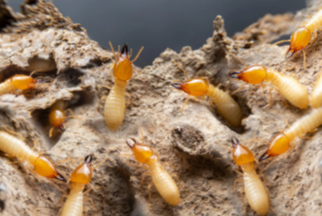
Discovering termites near your hot water system is not just a random thing but an early warning sign. These termites are highly attracted to moisture and warm areas, and when they are seen, it indicates a hidden and deeper issue. Understanding why this happens and what it signals can help you act before minor issues turn into costly damage.
Why Hot Water Systems Attract Termites
Hot water systems create an environment that termites find extremely ideal and which fulfils their requirements. Even when everything appears to be working normally, subtle conditions around these units can encourage termite activity.
Moisture from Leaks and Condensation
Termites depend on moisture to survive, whether it’s small, slow leaks from valves, pressure relief pipes, or aging connections that can go unnoticed for months. Condensation on pipes and tanks can dampen nearby timber, wall linings, or flooring.
This persistent moisture softens wood, making it easier for termites to enter and infest. In many cases, homeowners only discover the problem when termites are already well established. Termite control solutions are essential to treat such hidden infestations.
Warmth Creates Ideal Nesting Conditions
Hot water systems generate heat and warmth in enclosed spaces like cupboards, garages, or utility rooms. Termites live in warm, stable environments where temperature fluctuations are minimal. The consistent warmth around plumbing infrastructure makes these areas ideal starting points for colonies.
Concealed Entry Points
Pipes and plumbing lines are often vulnerable to walls, floors, and concrete slabs. These entry points can create concealed pathways that allow termites into wall cavities. Once inside, they can move freely between moisture sources and timber framing.
What Termites Near Plumbing Really Signal
Finding termites near a hot water system rarely means the problem is deep inside the pipelines. Instead, it often signals deeper issues within the home.
Hidden Moisture Problems
Termite activity near plumbing frequently indicates long-term moisture exposure. This could be caused by minor leaks, poor drainage, or inadequate ventilation. Even small amounts of moisture can create conditions that attract both termites and other pests. General pest control services should focus on addressing these conditions.
Structural Vulnerabilities
Once termites establish themselves near a hot water system, they often expand into nearby structural timber. Because this damage occurs inside the walls, significant structural weakening can happen before any visible signs appear. Pest exterminator services are essential for locating and eliminating these hidden colonies.
Increased Risk of Widespread Infestation
Plumbing areas often connect multiple parts of a home. Termites that gain access here can spread quickly into enclosed rooms, ceilings, and floors. What begins as an issue near a hot water unit can escalate into a full-scale infestation affecting the entire property.
Why DIY Solutions Are Not Effective for Termite Control
When termites are discovered near plumbing, it means using store-bought sprays or temporary fixes is not enough. Unfortunately, these approaches rarely address the root cause.
Surface treatments may kill visible termites but leave the main colony intact, often hidden deep within walls or underground. Without addressing moisture sources and entry pathways, termites are likely to return, sometimes in greater numbers. Pest control experts use targeted methods that tackle infestations at the source.
The Role of Professionals in Managing the Risk
Professional termite control focuses on eliminating the entire colony, not just the insects you can see. This may involve baiting systems, non-repellent treatments, or barrier solutions designed to protect your home long-term.
A comprehensive inspection often reveals whether termites are part of a wider pest issue. General pest control providers assess surrounding areas for conditions that attract multiple pests, ensuring problems don’t overlap or recur.
Experienced pest exterminator services don’t just treat the immediate issue; they help implement preventative measures. This includes moisture management advice, regular inspections, and early detection strategies to safeguard your property.
How to Reduce the Risk Going Forward
While professional treatment is critical, homeowners can take steps to reduce future risk:
- Regularly inspect hot water systems for leaks or condensation: Early detection can help prevent termites from getting a foothold.
- Ensure adequate ventilation around plumbing areas: Proper airflow reduces moisture buildup, making it less attractive to termites.
- Keep timber and stored items away from damp zones: Reducing access to wood and moisture limits the environment termites need.
- Schedule routine termite inspections, especially in older homes: Early action will reduce repair costs and structural damage.
Conclusion
Finding termites near your hot water system is a clear signal that moisture and structural vulnerabilities may already be present. Ignoring the issue allows colonies to grow silently, increasing the risk of extensive damage.
Early intervention through professional termite control and pest exterminator services protects both your plumbing infrastructure and your home’s structural integrity. Addressing the problem now can save significant time, stress, and repair costs later.
FAQs
Why are termites commonly found near hot water systems?
Hot water systems provide moisture, warmth, and concealed access points—conditions termites need to survive and spread.
Does finding termites near plumbing mean my house is already damaged?
Not always, but it does indicate a higher risk. Termites often cause hidden damage before visible signs appear, so professional inspection is essential.
Can a small leak really attract termites?
Yes. Even minor, slow leaks or condensation can create enough moisture over time to attract and sustain termite activity.
Will fixing the leak get rid of termites?
Fixing leaks helps reduce risk, but it won’t eliminate an existing colony. Professional termite control is required to fully address the infestation.
How often should homes with plumbing-related termite risks be inspected?
Annual inspections are recommended, though properties with known moisture issues may benefit from more frequent checks.