Why Roof Gaps Often Become the First Entry Point for Pests

Small roof gaps often go unnoticed, allowing rodents and insects to enter roof cavities and spread indoors. Early roof restoration and pest control help prevent infestations and long-term property damage.
How Pest Infestations Often Begin Above the Ceiling
Pest infestations do not always begin at ground level. In many properties, the earliest access point is found above the ceiling line. Small roof gaps, ageing materials, and unnoticed structural weaknesses quietly create entry paths for pests long before any activity is visible inside the home.
Once pests gain access to roof cavities, they are well-positioned to spread through wall voids, ceilings, and internal spaces. Because this activity remains hidden, infestations often go undetected until noise, odours, or visible damage appear. Understanding why roofs are such a common starting point is essential for preventing recurring pest problems.
Why Roof Areas Are More Vulnerable Than Most Homeowners Realise
Roofs are constantly exposed to harsh environmental conditions. Sun exposure, heavy rainfall, wind, and temperature fluctuations all contribute to gradual deterioration. Over time, even a well-built roof can develop weak points that pests exploit.
Unlike doors or windows, roof damage is rarely inspected closely. Minor cracks or displaced tiles may appear harmless from ground level, yet they are large enough for pests to enter. Roof cavities also provide warmth, shelter, and protection from predators, making them highly attractive nesting areas.
For many pests, entering from above is safer and more effective than attempting to access a property at ground level. This is why infestations often begin silently in ceiling spaces before spreading to living areas.
How Ageing Roofs Create Access Points for Pests
As roofing materials age, they naturally lose strength and flexibility. This creates vulnerabilities that allow pests to gain entry with minimal effort.
Common roof-related access points include cracked or slipped roof tiles, gaps around flashing and vents, deteriorated ridge capping, and damaged eaves or fascia boards. In some cases, poorly sealed areas from previous repairs create additional openings that remain unnoticed.
Even small gaps can be enough for rodents and insects to squeeze through. Without timely roof restoration, these weak points continue to expand, increasing the likelihood of pest intrusion. Moisture damage further worsens the problem by softening timber and weakening structural components, making it easier for pests to chew or nest.
Why Rodents Are Drawn to Roof Cavities
Rodents are particularly attracted to roof spaces because they offer everything required for survival in one location. Roof cavities are warm, dark, and rarely disturbed, making them ideal nesting environments.
Rodents often access roofs via nearby trees, power lines, fences, or neighbouring structures. Once inside, insulation materials provide excellent nesting material, while the proximity to internal living spaces allows easy access to food sources.
Rodent activity in roof cavities can cause serious issues. Chewed electrical wiring increases fire risk, contaminated insulation affects indoor air quality, and droppings pose health concerns. At this stage, engaging a professional mouse exterminator becomes essential to eliminate the infestation safely and prevent further damage.
Why Surface Pest Treatments Fail Without Roof Repairs
Many homeowners rely on surface-level pest treatments such as traps, sprays, or repellents. While these methods may temporarily reduce visible activity, they do not address how pests are entering the property.
When roof gaps remain open, new pests can continue to access roof cavities even after treatment. This leads to recurring infestations, increased pest control costs, and worsening damage within concealed spaces.
Searching for pest control near me without assessing roof integrity often results in frustration. Pest treatments are far more effective when combined with structural solutions that remove access points entirely. Without sealing roof gaps, surface treatments only manage symptoms rather than resolving the underlying problem.
The Importance of Coordinating Roof Restoring and Pest Control
Long-term pest prevention requires a coordinated approach that addresses both the infestation and the building structure. Combining roof repairs with professional pest management delivers far more reliable results than treating either issue in isolation.
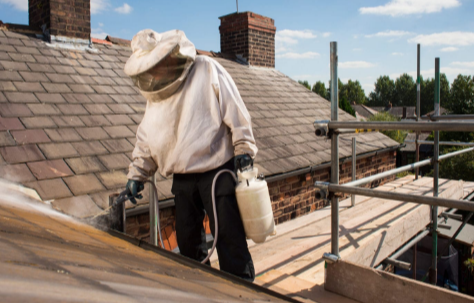
An integrated strategy typically begins with a detailed roof inspection to identify gaps, cracks, and deteriorated materials. A pest assessment then determines the type and extent of infestation within roof cavities and wall spaces. Targeted pest treatment removes existing pests safely, while roof restoring work seals all identified entry points.
This approach not only prevents pests from re-entering but also improves roof performance, energy efficiency, and resistance to weather damage.
Why Roof Restoring Protects More Than Just Against Pests
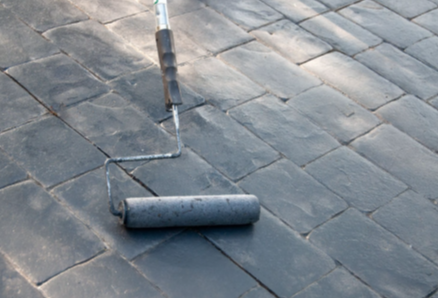
Roof restoring offers benefits beyond pest prevention. Sealing gaps and repairing damaged materials helps regulate indoor temperatures, reduces moisture intrusion, and extends the lifespan of roofing components.
By eliminating hidden access points, homeowners reduce the risk of future infestations and avoid repeated pest control interventions. A well-maintained roof acts as a critical defensive barrier that protects the entire property from environmental and biological threats.
Final Thoughts
Roof gaps often become the first entry point for pests because they are hidden, overlooked, and constantly exposed to the elements. Ageing materials, moisture damage, and minor structural weaknesses provide easy access to roof cavities, particularly for rodents.
Surface pest treatments alone are rarely effective if the roof continues to allow entry. Lasting pest prevention depends on identifying and sealing these access points through proper roof restoring, supported by professional pest management and timely intervention from a qualified mouse exterminator.
By taking a proactive approach and treating the roof as a primary line of defence, homeowners can prevent repeat infestations, protect their property, and maintain a safer, healthier living environment.
Frequently Asked Questions
Why do pests often enter homes through the roof?
Roofs develop hidden gaps over time due to weather exposure and ageing materials. These gaps provide sheltered access to roof cavities, making them attractive entry points for pests.
Can small roof gaps really allow rodents inside?
Yes. Rodents can squeeze through surprisingly small openings. Even minor gaps around tiles, vents, or eaves can provide enough space for entry.
Is pest control effective without fixing roof damage?
Pest control alone may reduce activity temporarily, but infestations often return if roof access points remain open. Structural repairs are essential for long-term results.
How do I know if rodents are living in my roof?
Common signs include scratching noises at night, droppings, damaged insulation, and unpleasant odours coming from ceiling spaces.
When should roof restoration be considered?
Roof restoring should be considered when tiles are cracked, pointing is deteriorated, moisture damage is present, or recurring pest issues are linked to roof access.
Should roof repairs and pest control be done together?
Yes. Coordinating roof repairs with pest treatment ensures pests are removed and prevented from re-entering, reducing the risk of repeat infestations.